
The Best Way to Treat Sciatica in 2026
(Science-Backed. At Home)
By Dr. Eleanor Smith, DPT
Medically Reviewed by Dr. Alex Roberts, BSc Physiology
Last Updated: Jan 2026
If you’ve been diagnosed with sciatica or feel that you might have it.
You’re probably doing two things at once.
Trying to get through the day…
And quietly worrying about where this pain is heading.
Lower back pain that won’t settle.
Leg pain that flares without warning.
And the fear that this could turn into something serious.
In this article, we’re going to do something simple.
We’ll look at the most common treatments for sciatica, compare them by science and show you what actually works in 2026.
But before we do that, you need to understand what sciatica really is.
Because once you get this, choosing the right solution becomes easy.
And that’s what most people miss.
It Usually Starts Light.
With some kind of pressure on the sciatic nerve.This could be:
1
A disc in your lower back bulging slightly.
2
A tight muscle in your hip squeezing the nerve.
3
Wear and tear in the spine narrowing the nerve space.
At first, it might just feel like stiffness or a small twinge. Your body notices the damage and reacts:
“Something’s wrong. Let’s fix it.”
So it sends inflammation to the area. That inflammation causes swelling, stiffness and pain.
And Here The Real Problem Begins…
In many cases, the pressure on the nerve eases up on its own.
But the inflammation doesn’t shut off.
Even when the nerve isn’t being pinched anymore, the area stays swollen and sensitive.
Suddenly, the pain starts to overwhelm your body.
Then simple things like getting out of bed feel difficult.
The Hidden Culprit: Deep Tissue Inflammation
This is what most people don't realise.
Sciatic Pain isn’t coming from the surface.
It’s from deep inside the joints and soft tissue.
There’s trapped inflammation beneath the surface, acting like a slow-burning fire.
That typical treatments like creams, physio or massage cannot reach.
They can quiet the pain...But they don’t remove it.
So it always finds a way back in most cases
The Longer It Sits, The Worse It Gets
Here’s what most people don’t realize either.
Inflammation doesn’t just stay in one spot.
It spreads deeper into joints and nerves.
Over time, it starts to affect how you move, sit and sleep.
And eventually, how you live.
The longer it’s left untreated, the harder it becomes to reverse.
What Actually Needs to Happen to Fix Sciatica
To properly deal with sciatica, two things need to happen:
Inflammation needs to calm down
The body needs help healing the irritated nerve and surrounding tissue
Most treatments only attempt the first.
Very few support the second.
That’s why relief is often temporary in most cases.
Why Common Sciatica Treatments Fall Short
Painkillers / Anti - Inflammatories
They reduce pain signals and inflammation temporarily.
But they don’t help damaged tissue heal.
And long-term use comes with side effects.
Creams & Gels
They work at the surface.
Sciatica doesn’t live there.
Physiotherapy, Stretching, Exercise
Helpful for movement and strength.
But often ineffective once deep inflammation has settled in.
Injections
Can reduce pain temporarily.
But don’t fix the underlying tissue environment.
This is why most people who try these, often feel stuck.Because these solutions really don't get them anywhere.
The Science-Backed Option That Actually Works
And here’s the good news.
There's a science back way to calm the inflammation, stop it from spreading and help the body heal at cellular level.
Exactly what is required to get rid of sciatic pain.
And this might surprise you.
Clinics and rehab professionals have been quietly using this method for years to treat long-term pain, tissue damage and inflammation…
This approach doesn’t rely on medication.
It doesn’t damage the liver.And it doesn’t involve invasive procedures
Medical Studies Show It Can
A recent study by the National Institutes of Health (US) found out that red light at 650 nm and 808 nm can.
✔ Calm inflammation at the source.
✔ Promote natural tissue repair.
✔ Improve blood flow and mobility.
✔ Reduce pain without side effects.
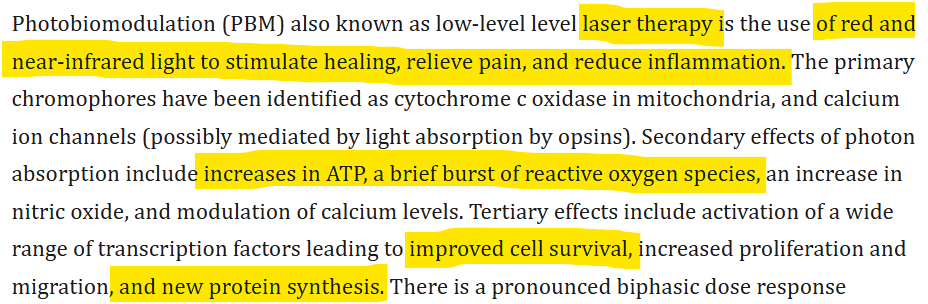
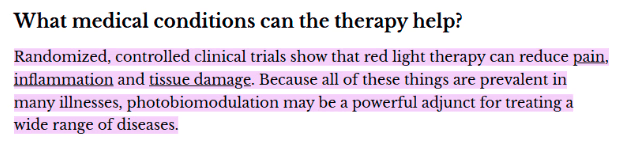
According to published research by Dr Michael R. Hamblin, red and near-infrared light therapy has been shown to stimulate healing, reduce inflammation, and relieve pain in clinical and preclinical studies.
But There Is A Good News Too.
For years, this kind of therapy was only available in clinics.
But now portable home-versions of this therapy have been introduced in the UK.
It's quiet, but rapidly growing and becoming popular, especially among busy individuals.
Many people have started to use this and they have quite good reviews too.
Apparently, it seems to do what painkillers or no amount of exercise could achieve.
And the brand is also confident enough to offer a performance gaurantee
If you want to learn how this device works you can click below 👇
© 2025 Easy Relief™. All Rights Reserved. | Privacy Policy | Terms of Service

The Best Way to Treat Sciatica in 2026
(Science-Backed. At Home)
By Dr. Eleanor Smith, DPT
Medically Reviewed by Dr. Alex Roberts, BSc Physiology
If you’ve been diagnosed with sciatica or feel that you might have it.
You’re probably doing two things at once.
Trying to get through the day…
And quietly worrying about where this pain is heading.
Lower back pain that won’t settle.
Leg pain that flares without warning.
And the fear that this could turn into something serious.
In this article, we’re going to do something simple.
We’ll look at the most common treatments for sciatica, compare them by science and show you what actually works in 2026.
But before we do that, you need to understand what sciatica really is.
Because once you get this, choosing the right solution becomes easy.
And that’s what most people miss.
It Usually Starts Light.
With some kind of pressure on the sciatic nerve.This could be:
1
A disc in your lower back bulging slightly.
2
A tight muscle in your hip squeezing the nerve.
3
Wear and tear in the spine narrowing the nerve space.
At first, this pressure might not cause much pain maybe just a little stiffness or an occasional twinge.
Your body sees that damage and goes:
“Uh oh! something’s wrong here, let’s fix it.”
So it sends inflammation to the area which causes swelling, stiffness and pain.
At first, it might just feel like stiffness or a small twinge.
Your body notices the damage and reacts:
“Something’s wrong. Let’s fix it.”
So it sends inflammation to the area.
That inflammation causes swelling, stiffness and pain.
And Here The Real Problem Begins…
And Here The Real Problem Begins…
And Here The Real Problem Begins…
In many cases, the body naturally ease up the pressure on the nerve and the pinching stops on its own.
But the inflammation stay active, even if the nerve is not being irritated.
That's why the area stays swollen and sensitive.
And all of a sudden.
The pain starts to overwhelm your whole body.
Simple tasks like getting out of bed, sleeping or just going for a walk becomes impossible and painful.
And the fear of losing mobility starts to kick in…
In many cases, the pressure on the nerve eases up on its own.
But the inflammation doesn’t shut off.
Even when the nerve isn’t being pinched anymore, the area stays swollen and sensitive.
And suddenly, the pain starts to overwhelm your body.
Then simple things like getting out of bed feel difficult.
In many cases, the pressure on the nerve eases up on its own.
But the inflammation doesn’t shut off.
Even when the nerve isn’t being pinched anymore, the area stays swollen and sensitive.
And suddenly, the pain starts to overwhelm your body.
Then simple things like getting out of bed feel difficult.
The Hidden Culprit: Deep Tissue Inflammation
The Hidden Culprit: Deep Tissue Inflammation
This is what most people don't realise.
Sciatic pain isn’t coming from the surface.
It’s from deep inside the joints and soft tissue.
There’s trapped inflammation beneath the surface, acting like a slow-burning fire.
That typical treatments like creams, physio or massage cannot reach.
They can quiet the pain...
But they don’t remove it.
So it always finds a way back in most cases.
The Hidden Culprit: Deep Tissue Inflammation
This is what most people don't realise.
Sciatic pain isn’t coming from the surface.
It’s from deep inside the joints and soft tissue.
There’s trapped inflammation beneath the surface, acting like a slow-burning fire.
That typical treatments like creams, physio or massage cannot reach.
They can quiet the pain...
But they don’t remove it.
So it always finds a way back in most cases.
The Longer It Sits, The Worse It Gets
Here’s what most people don’t realize either.
Inflammation doesn’t just stay in one spot.
It spreads deeper into joints and nerves.
Over time, it starts to affect how you move, sit and sleep.
And eventually, how you live
The longer it’s left untreated, the harder it becomes to reverse.
But that doesn’t have to be your future.
Because once you deal with the root, healing can finally begin.
Last Updated: January 2026
With some kind of pressure on the sciatic nerve.
This could be:
1
A disc in your lower back bulging slightly.
2
A tight muscle in your hip squeezing the nerve.
3
Wear and tear in the spine narrowing the nerve space.
Not the age-old red heat lamps originally used for poultry farming that people later repurposed for “therapy” 😅.
And not the LED panels used for skincare that influencers wave around on TikTok.
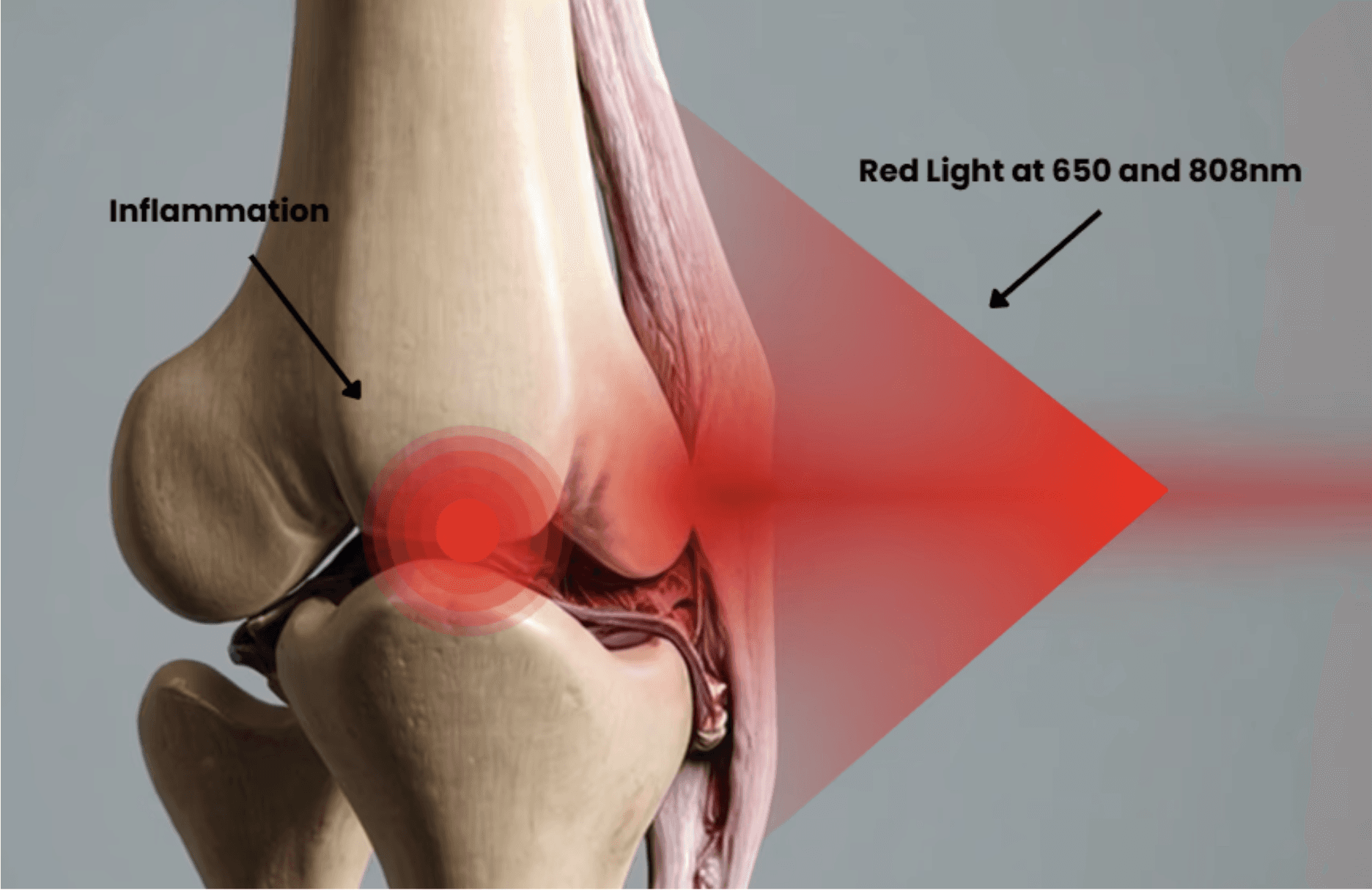
We’re talking about clinically used cold red light at 650nm and 808nm wavelengths.
At these wavelengths, red light can reach 15mm below the surface.
Medical Studies Show It Can
If you’ve been diagnosed with sciatica or feel that you might have it.
You’re probably doing two things at once.
Trying to get through the day…
And quietly worrying about where this pain is heading.
Lower back pain that won’t settle.
Leg pain that flares without warning.
And the fear that this could turn into something serious.
In this article, we’re going to do something simple.
We’ll look at the most common treatments for sciatica, compare them by science and show you what actually works in 2026.
But before we do that, you need to understand what sciatica really is.
Because once you get this, choosing the right solution becomes easy.
And that’s what most people miss.
The Best Way to Treat Sciatica in 2026
(Science-Backed. At Home)
By Dr. Eleanor Smith, DPT
Medically Reviewed by Dr. Alex Roberts, BSc Physiology
Last updated: Jan - 2026
It Usually Starts Light.
And This Is How It Works:
Medical Studies Show It Can:
A recent study by the National Institutes of Health (US) found out that red light at 650 nm and 808 nm can.
✔ Calm inflammation at the source.
✔ Promote natural tissue repair.
✔ Improve blood flow and mobility.
✔ Reduce pain without side effects.
According to published research by Dr Michael R. Hamblin, red and near-infrared light therapy has been shown to stimulate healing, reduce inflammation, and relieve pain in clinical and preclinical studies.
This is what most people don't realise.
The recurring pain isn’t from the surface.
It’s from deep inside the joints and soft tissue.
There’s trapped inflammation beneath the surface, acting like a slow-burning fire.
That typical treatments like creams, physio or massage cannot reach.
They can quiet the pain...
But they don’t remove it.
So it always finds a way back.
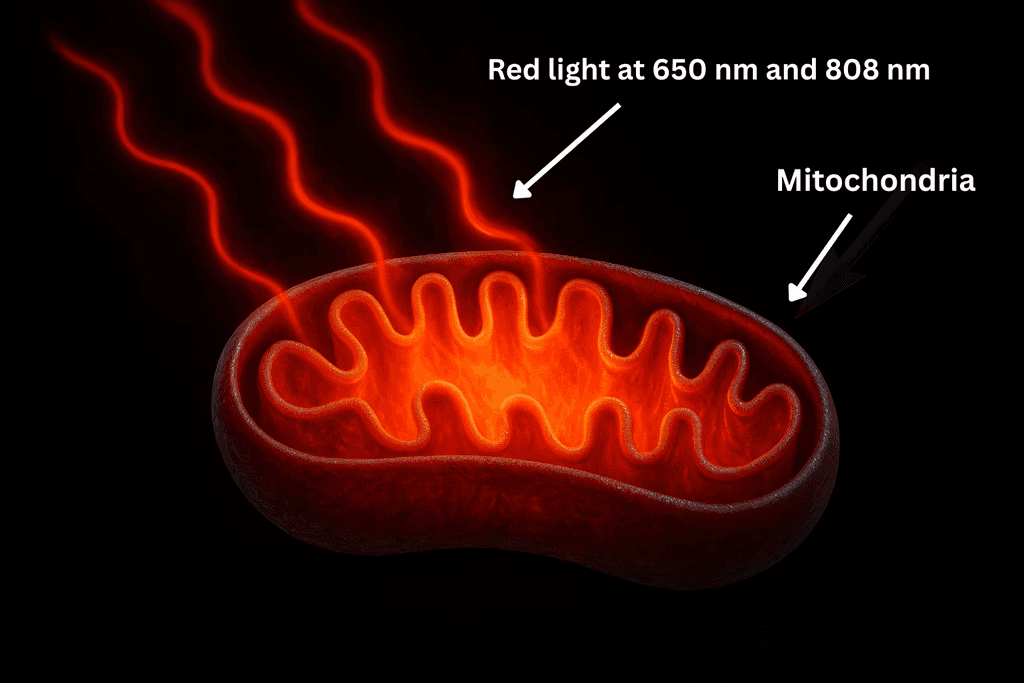
It works by:
✔ Increasing ATP production
✔ Stimulating mitochondria
✔ Improving electron transport chain efficiency
✔ Enhancing oxygen utilisation, not just supply
Together, this helps control inflammation and supports natural tissue repair by improving oxygen delivery to damaged areas.
That’s why it’s superior to anti-inflammatory drugs like ibuprofen.
Because it doesn’t just reduce inflammation, but heal the damaged nerves too.
Without any risk of liver damage.
But of course,
Clinics charge £89 or more per session.
And you usually need 8–10 sessions, plus travel, scheduling and repeat visits.
The Longer It Sits, The Worse It Gets
Here’s what most people don’t realize either.
Inflammation doesn’t just stay in one spot.
It spreads deeper into joints and nerves.
Over time, it starts to affect how you move, sit and sleep.
And eventually, how you live
The longer it’s left untreated, the harder it becomes to reverse.
But that doesn’t have to be your future.
Because once you deal with the root, healing can finally begin.
It’s Called Cold Red Light Therapy
But There Is A Good News Too.
For years, this kind of therapy was only available in clinics.
But now portable home-versions of this therapy have been introduced in the UK.
It's quiet, but rapidly growing and becoming popular, especially among busy individuals.
Many people have started to use this and they have quite good reviews too.
Apparently, it seems to do what painkillers or no amount of exercise could achieve.
And the brand is also confident enough to offer a performance gaurantee
If you want to learn how this device works you can click below 👇
And This Is How It Works:
It works by:
✔ Increasing ATP production
✔ Stimulating mitochondria
✔ Improving electron transport chain efficiency
✔ Enhancing oxygen utilisation, not just supply
Together, this helps control inflammation and supports natural tissue repair by improving oxygen delivery to damaged areas.
That’s why it’s superior to anti-inflammatory drugs like ibuprofen.
Because it doesn’t just reduce inflammation, but heal the damaged nerves too.
Without any risk of liver damage.
But of course,
Clinics charge £89 or more per session.
And you usually need 8–10 sessions, plus travel, scheduling and repeat visits.
© 2025 Easy Relief™. All Rights Reserved. | Privacy Policy | Terms of Service
What Actually Needs to Happen to Fix Sciatica
But There Is Good News Too.
For years, this kind of therapy was only available in clinics.
But now portable home-versions of this therapy have been introduced in the UK.
It's quiet, but rapidly growing and becoming popular, especially among busy individuals.
Many people have started to use this and they have quite good reviews too.
Apparently, it seems to do what painkillers or no amount of exercise could achieve.
And the brand is also confident enough to offer a performance gaurantee
If you want to learn how this device works you can click below 👇
It’s Called Cold Red Light Therapy
Not the age-old red heat lamps originally used for poultry farming that people later repurposed for “therapy” 😅
And not the LED panels used for skincare that influencers wave around on TikTok.
We’re talking about clinically used cold red light at 650nm and 808nm wavelengths.
At these wavelengths, red light can reach 15mm below the surface.
At first, it might just feel like stiffness or a small twinge.
Your body notices the damage and reacts:
“Something’s wrong. Let’s fix it.”
So it sends inflammation to the area.
That inflammation causes swelling, stiffness and pain.
To properly deal with sciatica, two things need to happen:
Inflammation needs to calm down
The body needs help healing the irritated nerve and surrounding tissue
Most treatments only attempt the first.
Very few support the second.
That’s why relief is often temporary in most cases.
Why Common Sciatica Treatments Fall Short
Painkillers / Anti - Inflammatories
They reduce pain signals and inflammation temporarily.
But they don’t help damaged tissue heal.
And long-term use comes with side effects.
Creams & Gels
They work at the surface.
Sciatica doesn’t live there.
Physiotherapy, Stretching, Exercise
Helpful for movement and strength.
But often ineffective once deep inflammation has settled in.
Injections
Can reduce pain temporarily.
But don’t fix the underlying tissue environment.
This is why most people who try these, often feel stuck.
Because these solutions really don't get them anywhere.
The Science-Backed Option That Actually Works
And here’s the good news.
There's a science back way to calm the inflammation, stop it from spreading and help the body heal at cellular level.
Exactly what is required to get rid of sciatic pain.
And this might surprise you.
Clinics and rehab professionals have been quietly using this method for years to treat long-term pain, tissue damage and inflammation…
This approach doesn’t rely on medication.
It doesn’t damage the liver.And it doesn’t involve invasive procedures